The short version
- D3 allows an automatic transmission to use any gear up to third, but not higher.
- The setting can increase engine braking on descents and reduce brake heat.
- D3 can also limit gear cycling while climbing hills or towing.
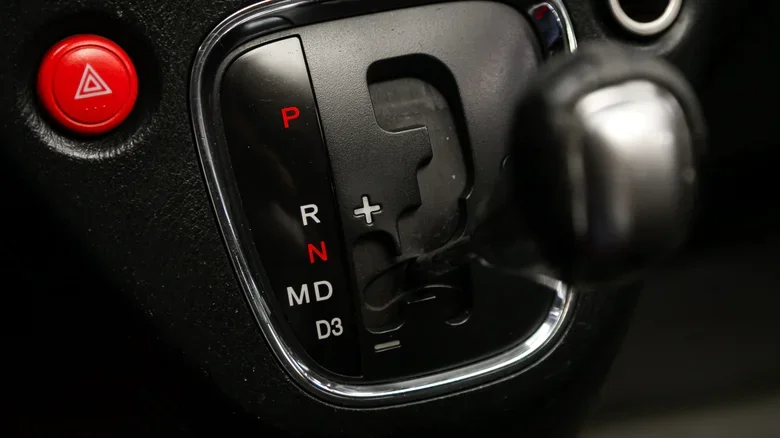
The D3 setting on some automatic transmissions limits the transmission to third gear and below. It does not lock the car in third gear; the transmission can still select lower gears as needed.
The setting appeared most often on older Honda and Acura models with traditional automatic transmissions. The D stands for drive, while the 3 sets the highest gear the transmission can use.
D3 can help on a downhill grade by keeping the engine in a lower gear. With the accelerator closed, the engine creates resistance that slows the car, reducing the load on the friction brakes and helping limit their heat buildup.
The same lower-gear behavior can help on a winding road, where it keeps the car more responsive when the driver accelerates out of a corner. D3 is different from an automatic transmission's sport mode, which changes shift timing and may hold gears longer.
D3 can also reduce repeated upshifts and downshifts while climbing a long hill. That can be useful when towing a trailer or boat, when the transmission might otherwise shift up and then quickly shift back down.
How this story was made
Written by the Tach Wire desk from the reporting below, checked against each source and for overlap with their text. Photos: Carscoops.
0 comments
Comments stay in this browser. They are not sent to the newsroom.