The short version
- Tesla filed its response to NHTSA's Cybercab special order on the October 30 deadline and asked the agency to keep all of it confidential.
- The public docket holds a one-page letter stating only that the file is confidential business information, plus an empty placeholder for Tesla's standard-by-standard compliance answer.
- The one substantive public document is a first-responder guide Tesla has posted on its website since July, which does not address brakes, mirrors or certification.
Tesla turned in its sworn answers to NHTSA about how the Cybercab meets federal safety standards, arriving on the October 30 deadline, and asked the agency to withhold all of it. The public docket shows almost nothing.
Three Tesla documents sit in the AQ26002 docket, and two are effectively blank. The response letter, dated October 30 and sent from 1 Tesla Road in Austin, runs a single page; its only text says the entire file is confidential business information. The second entry is a placeholder for Tesla's answer to Request 8, which asked for a standard-by-standard account of how the company determined the Cybercab complies, including the subpart it certified to and whether it relied on physical tests, simulations or engineering analyses. NHTSA's note says a confidentiality request covers each responsive document in full.
The only substantive public document is Tesla's Cybercab First Responder Interaction Plan, version 1.2, dated September 3. It is written for police and fire crews and has been posted on Tesla's website since July.
NHTSA issued the order a week after Tesla began charging for Cybercab rides in Austin on September 3, and it carried 21 questions. An incomplete answer can draw civil penalties of up to $139 million, and a false one carries criminal exposure. On September 18, Tesla asked for eight more weeks, to November 20, citing the size of the request and the record searches and narrative drafting it required. NHTSA granted 30 days instead.
The questions target rules the Cybercab does not obviously satisfy. FMVSS 135 requires service brakes to be activated by a foot control, and NHTSA has said publicly that a vehicle without a foot brake cannot certify to it. FMVSS 108 requires a turn-signal control that cancels itself when the steering wheel turns. FMVSS 111 requires mirrors. The agency also asked whether Tesla certified the car with temporary driver controls fitted and then pulled them, which would run into the Safety Act's make-inoperative prohibition, and how the car is legal without a Part 555 exemption. Zoox took that route in July and received an exemption capped at 2,500 vehicles a year; Tesla self-certified and started charging passengers.
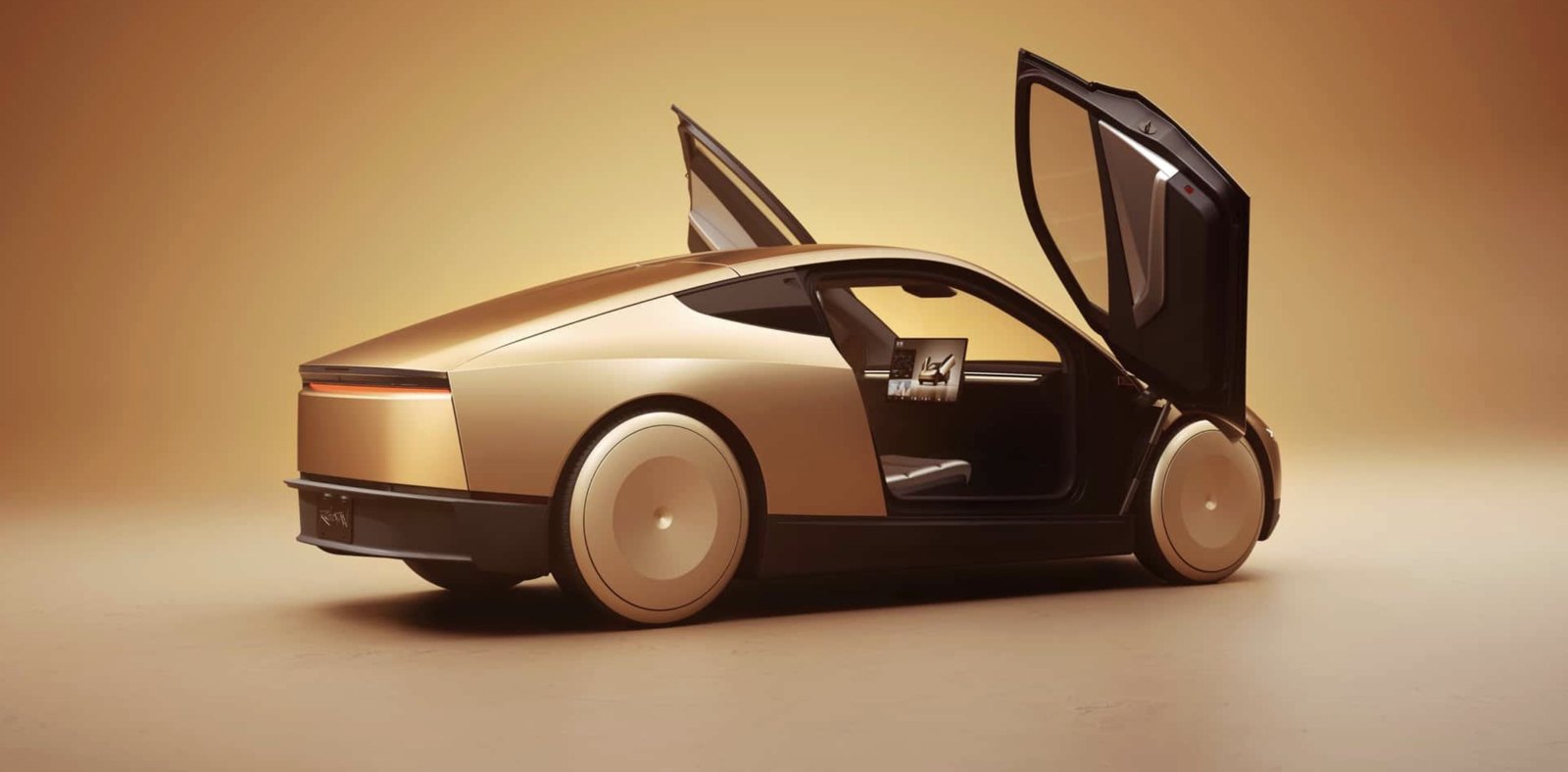
The firefighter guide touches a few of those questions without settling the central ones. It states that the Cybercab is not typically equipped with a steering wheel or acceleration and brake pedals, and that a Cybercab with a wheel and pedals is typically an engineering or test vehicle running at SAE Level 2 autonomy, with instructions for driving one. It lists an operational design domain spanning all public roadways, including freeways, highways, city streets and rural roads, at all hours and in light to moderate rain, fog and snow, and cites an Arizona Areas of Operation Appendix. It also says first responders who show a badge to the B-pillar camera can be given access to on-board touchscreen controls to move the car. Brakes, mirrors, telltales and the certification itself are absent.
Under Part 512, confidentiality requests go to NHTSA's Chief Counsel, who decides whether the claim holds and can order a public version released. NHTSA has said nothing about the request and has not found the Cybercab noncompliant with any standard. Its opening resume for the audit put the affected population at about 1,000 vehicles.
Tesla made a comparable request in June 2025, asking NHTSA to hide its answers about the original Robotaxi launch in Austin, a service running on supervised FSD while FSD was under investigation. Those answers never surfaced. The Cybercab is still carrying passengers in Austin.
Against its rivals
| Model | Price | Key spec |
|---|---|---|
| Zoox robotaxi | Not reported | Part 555 exemption capped at 2,500 vehicles a year |
How this story was made
Written by the Tach Wire desk from the reporting below, checked against each source and for overlap with their text. Photo: Electrek.
0 comments
Comments stay in this browser. They are not sent to the newsroom.