The short version
- EVs regularly charged above 100 kW at DC stations lost up to 3% of battery capacity annually in a 2026 Geotab study.
- Vehicles charged at slower rates lost 1.5% of capacity per year in the same study.
- Tesla recommends home charging for routine use and Superchargers for longer trips.
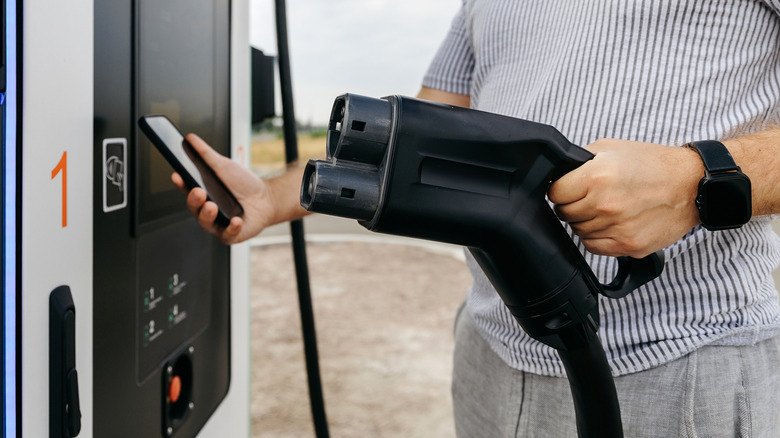
Frequent use of DC chargers above 100 kW can accelerate EV battery-capacity loss, with vehicles in a 2026 Geotab study of nearly 23,000 EVs losing up to 3% per year. Cars charged at slower rates lost 1.5% annually.
Rapid charging pushes lithium ions into the cells faster, which can cause some lithium to collect on the graphite electrode surface. This process, called plating, permanently reduces the lithium available to store energy. Fast charging also creates heat that speeds battery aging.
Charging speeds are typically reduced outside the roughly 10%-to-80% range to limit cell stress. The Porsche Taycan, which can reach 320 kW, holds that rate for only a brief window of up to five minutes.
Tesla's website recommends doing most charging at home, using its Supercharger network mainly for longer trips, avoiding very low battery levels and charging to 100% when preparing for a long journey.
Occasional rapid charging remains suitable for road trips and quick top-ups. LFP batteries tolerate full charging better than NMC batteries, while NMC packs can also be charged to 100% occasionally without major damage.
How this story was made
Written by the Tach Wire desk from the reporting below, checked against each source and for overlap with their text. Photos: Carscoops.
- 01CarscoopsWhy Fast Charging Is Hard On EV Batteries
0 comments
Comments stay in this browser. They are not sent to the newsroom.